HUMN 210 · Multimedia Cultural Exploration
Armenian culture,
across borders.
I wanted to understand how Armenian food, music, and language stay part of people’s lives, even when people live far from Armenia.
Start with lavash ↓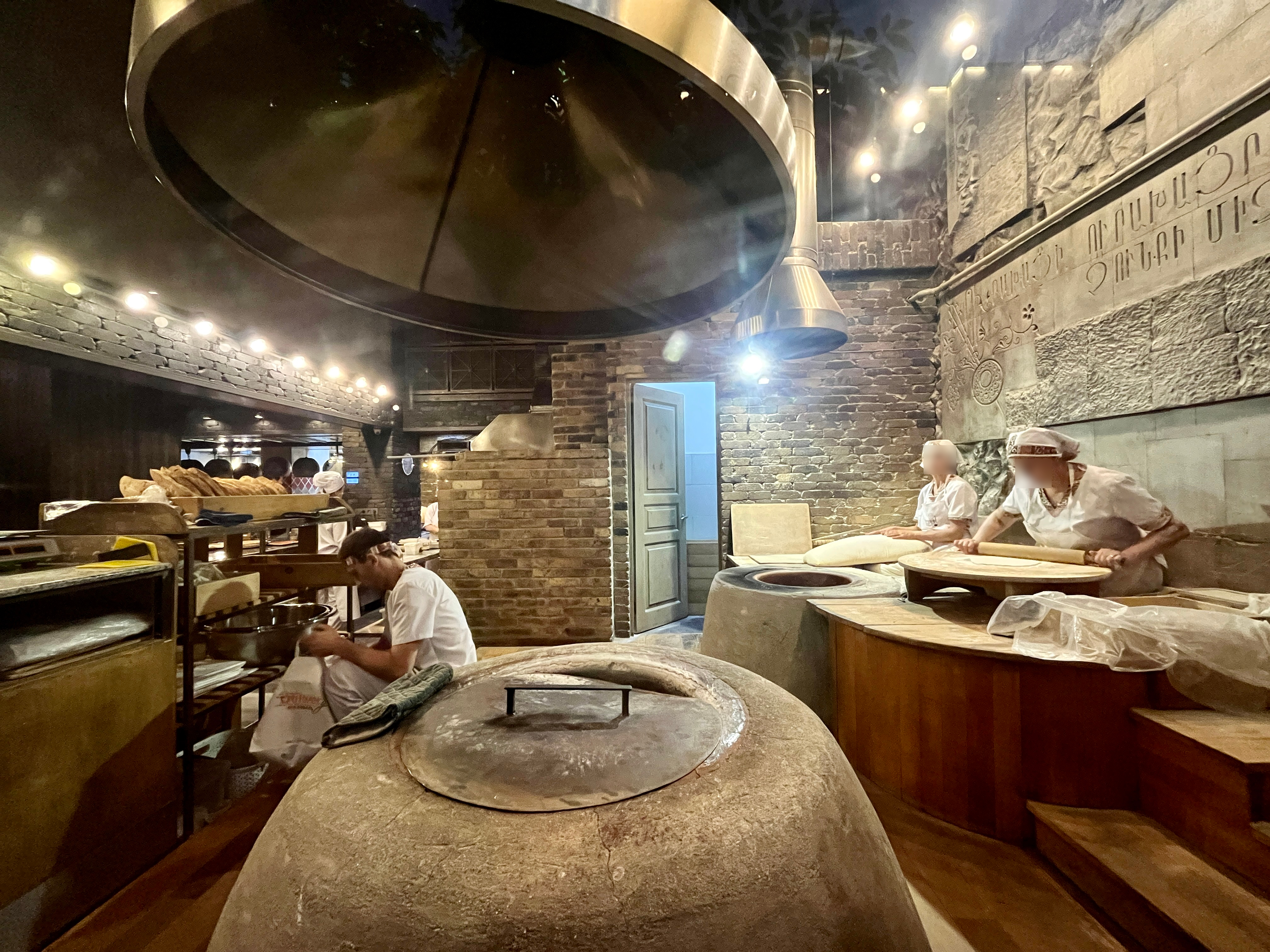
Why I chose
these examples
After writing about Armenian family practices in my earlier assignments, I kept thinking about what gets passed down and how. It is easy to say a tradition is important. I wanted to get more specific about what someone would actually need to learn it. That is why I chose lavash, the duduk, and language for this project.
I think living in another country or learning online can change how someone takes part in Armenian culture without making that connection less real. The harder part is making sure people still have someone to learn from. A recipe, a recording, or a lesson can be useful, but it needs an explanation and a chance to use what was learned. These are a few examples, rather than a description of how every Armenian family lives.
The readings that helped me make these connections were Kraidy (2005), Basso (1996), and Yim (2024).
Food · Everyday practice
Making and
sharing lavash
UNESCO (n.d.-b) describes lavash baking as something people learn by taking part in the preparation and working with others. The shared work is part of its connection to Armenian identity. That detail helped me understand why keeping a recipe does not preserve everything about a food. Someone could know the ingredients and still have questions about how to handle the dough or use the oven.
I can see why an online video would help someone who does not have a baker nearby to learn from. They could replay a step instead of trying to figure it out from written directions. Learning beside another person would offer something different, though. There would be someone to answer a question or point out a mistake. I would want a digital resource to help someone get started, then give them a way to keep learning with others.
Baking video · 1 minute 49 seconds
The process
behind the bread
I included this clip because the movement matters. The dough is handled and spread by hand, which would be hard to explain with a picture of the finished bread. It also gives the food a person and a setting. This is one baking scene in Armenia, so it cannot show every way the tradition is practiced.
Someone who only comes across lavash in a package might never see this part of making it. That is one reason I think videos can be helpful, especially when they include the people doing the work and explain where the practice comes from.
How this connects to cultural mixing
Kraidy (2005) discusses hybridity as cultural mixing shaped by communication and unequal power. I would connect that to someone using lavash in a meal with Armenian and American ingredients. That is an example I am considering, rather than something I am claiming every family does. The meal could change while the person still cares about where the bread comes from. I would be more concerned if a business used that connection to sell food without giving any credit to its origins. The change itself does not tell us whether a tradition is being respected.
Music · Listening and learning
The duduk and
the people playing it
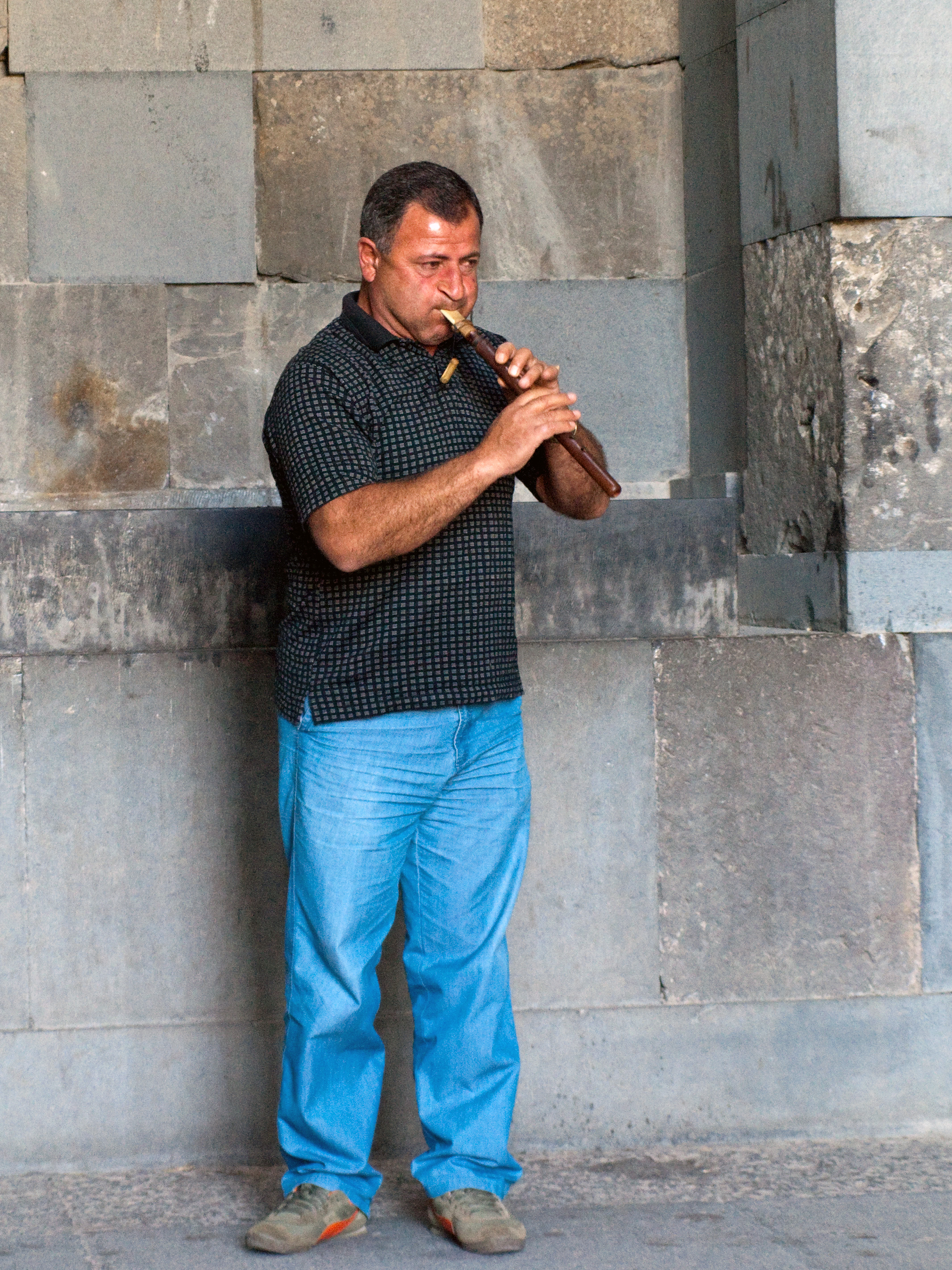
The duduk is an Armenian double-reed wind instrument. UNESCO (n.d.-a) connects its music to gatherings and important occasions and raises concerns about passing the practice on. I included it because music brings up a different side of preservation than food does. A photograph helps someone recognize the instrument, but it cannot explain its sound or teach someone to play it.
A person far from Armenia could hear a recording without ever attending a local performance. I think that access is valuable. At the same time, listening and learning to play are different kinds of involvement. A popular recording could get shared for years without creating opportunities for new musicians to learn. Keeping the recording available would help, but teachers and performers would still need support.
Giving credit to the performer
For me, a useful music post would name the musician and give some background about the performance. Otherwise, it is easy to remember a sound without knowing anything about the person playing it. Kraidy’s (2005) discussion of power made me think about that difference. A platform can benefit from people sharing a recording even when the artist gets little recognition. Links to musicians or teachers would make the post more useful than leaving it as an unnamed clip.
Language · Memory and daily use
Learning Armenian
from a distance
The Armenian Virtual College offers online Armenian language and cultural education for people who face distance or scheduling barriers (Armenian General Benevolent Union, n.d.). I think this is one of the clearest examples of technology being useful. Someone can want to learn but not have a nearby class that fits their life. An online course gives them another option.
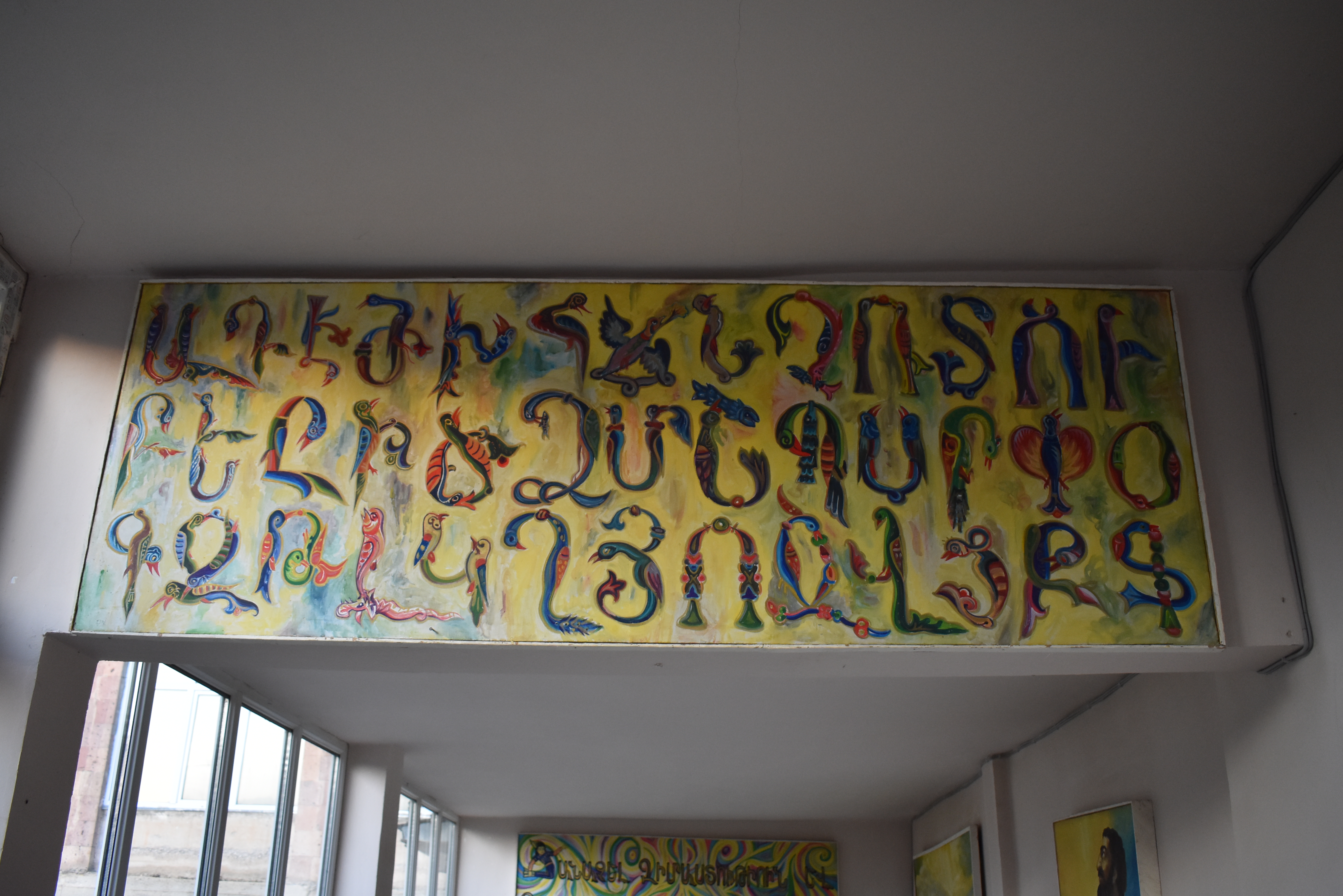
Yim (2024) describes how digital tools can support language learning while the same online spaces favor dominant languages. I can see how that could affect everyday habits. A person might study Armenian in a lesson, then switch to English for everything else they do on their phone because it is easier. The lesson still matters, but I would want it to connect to conversations outside the course. Having someone to speak with would give those words a use beyond finishing an activity.
Remembering what
the words mean
Basso (1996) describes Western Apache place names and their connections to history and ancestors. That is a different community from the one in this project. What I took from the reading was the importance of the explanation around a name. A list of words could be saved perfectly and still leave a learner unsure why those words matter to the people using them.
Yeranosyan’s (2021) study of Armenian family trees connects visual records to family memory across generations. That brought me back to my earlier work about families. A name or a picture can give someone a starting point, but they may still need another person to explain the connection. I would want a digital collection to include those explanations when people agree to share them.
Include the background.
Keep the maker’s name and an explanation with the material. Ask before sharing someone’s knowledge or recording.
Help people find a teacher.
Give learners a way to contact a community group, musician, or conversation partner.
Use what was learned.
A saved lesson is a start. People also need opportunities to cook, speak, or play with others.
These are my suggestions based on Basso (1996), Kraidy (2005), and Yim (2024), rather than steps I have tested.
Three examples
What I would include
when sharing online
Each example below explains what could be helpful and what I would want to add.
Learning from a recipe video
A lavash video could help someone follow a step that is hard to understand in writing. I would want it to include the baker’s explanation and give credit to where the practice comes from. A link to a class or community group could help someone continue learning after the video ends. This is how I connect Kraidy (2005) and UNESCO’s (n.d.-b) description of lavash to sharing recipes online.
What I took
from this project
I do not think a tradition has to stay exactly the same to keep meaning something. People’s lives change, especially when they move or learn in a different setting. What would concern me is having plenty of cultural material online but fewer people able to explain or practice it. For Armenian food, music, and language, I would want digital resources to make learning with other people easier. A video that helps someone try baking, or a lesson that helps them start a conversation, seems more useful than a post they look at once and forget.
Written reflection
What this project
changed for me.
A separate, APA-formatted reflection document is included with the exhibit.
Download the reflectionI chose Armenian culture because I wanted this project to connect to my earlier work about families. Instead of trying to cover everything, I focused on lavash, the duduk, and language. These examples helped me think more clearly about what someone would need to keep a tradition in their life. A person could have plenty of pictures and recordings saved but still need someone to explain a practice or help them learn it.
Lavash made that idea easier for me to understand. UNESCO (n.d.-b) describes baking as a shared practice learned through participation. I included the video because the dough being handled by hand shows something a picture of bread cannot. I can see how someone could replay a step while learning. Still, a video cannot answer a question the way another person can. I think it could be a useful starting point, especially for someone who lives far from a community where the practice is taught.
Kraidy's (2005) discussion of hybridity helped me think about traditions changing in a new setting. I do not think using different ingredients or learning through a screen automatically means someone is losing their culture. I would be more concerned about a business using cultural identity to sell something without giving credit to the people it comes from. That is where the reading's discussion of power felt relevant to this project. Sharing a tradition and making money from its image can have different effects on the people connected to it.
The language example also stayed with me. Yim (2024) emphasizes community involvement in digital language projects. That made me think about who gets to choose the material and how it is used. An online lesson could help someone learn Armenian, but practicing with another person would give the lesson a use in their day. Basso's (1996) work on Western Apache place names added another point. His research is about a different community, but it helped me see why saving a name without its history can leave out meaning.
Putting this into a website made me think about what the format can actually show. The photos help identify the examples, while the baking video shows a process. The written sections explain how each example connects to the readings. I kept the sources and creators' credits with the material because those details matter. This project cannot describe every Armenian person's experience. What it helped me understand is that technology is most useful when people can do something with what they find, whether that means trying a recipe or having a conversation.
Research and attribution
References
Four academic sources are integrated above: Basso, Kraidy, Yeranosyan, and Yim. Basso, Kraidy, and Yim connect to course readings. Institutional sources support the specific examples.
Armenian General Benevolent Union. (n.d.). AVC. https://agbu.org/avc
Basso, K. H. (1996). Wisdom sits in places: Landscape and language among the Western Apache. University of New Mexico Press. Publisher information
Kraidy, M. M. (2005). Hybridity, or the cultural logic of globalization. Temple University Press. Publisher information
UNESCO. (n.d.-a). Duduk and its music. https://ich.unesco.org/en/RL/duduk-and-its-music-00092
UNESCO. (n.d.-b). Lavash, the preparation, meaning and appearance of traditional bread as an expression of culture in Armenia. UNESCO heritage record
Yeranosyan, A. A. (2021). Հայոց տոհմածառերի ազգագրական ուսումնասիրություն. հիշողություն եւ սերունդների տեսողական խոսույթ [Ethnographic study of Armenian family trees: Memory and visual discourse of generations]. Proceedings of the Institute of Archaeology and Ethnography, 4, 85–92. Official academic record and abstract
Yim, T. (2024). Technology’s dual role in language marginalization and revitalization. GRACE: Global Review of AI Community Ethics, 2(1). https://doi.org/10.60690/kyscbb26
Media references and permissions
Benoît Prieur. (2023, June 25). Lavash baking in a restaurant (Yerevan) June 2023 [Photograph]. Wikimedia Commons. Source and credit. CC0 1.0.
_June_2023.jpg)
Dunphy, S. (2010, September 24). Duduk player Garni [Photograph]. Wikimedia Commons. Source and credit. CC BY-SA 2.0.
.jpg)
Yerevantsi. (2018, October 21). Armenian alphabet [Photograph]. Wikimedia Commons. Source and credit. CC BY-SA 4.0.

Արարատ Թրվանց. (2024, June 29). Armenian lavash baking ceremony [Video]. Wikimedia Commons. Source and credit. CC BY-SA 4.0.